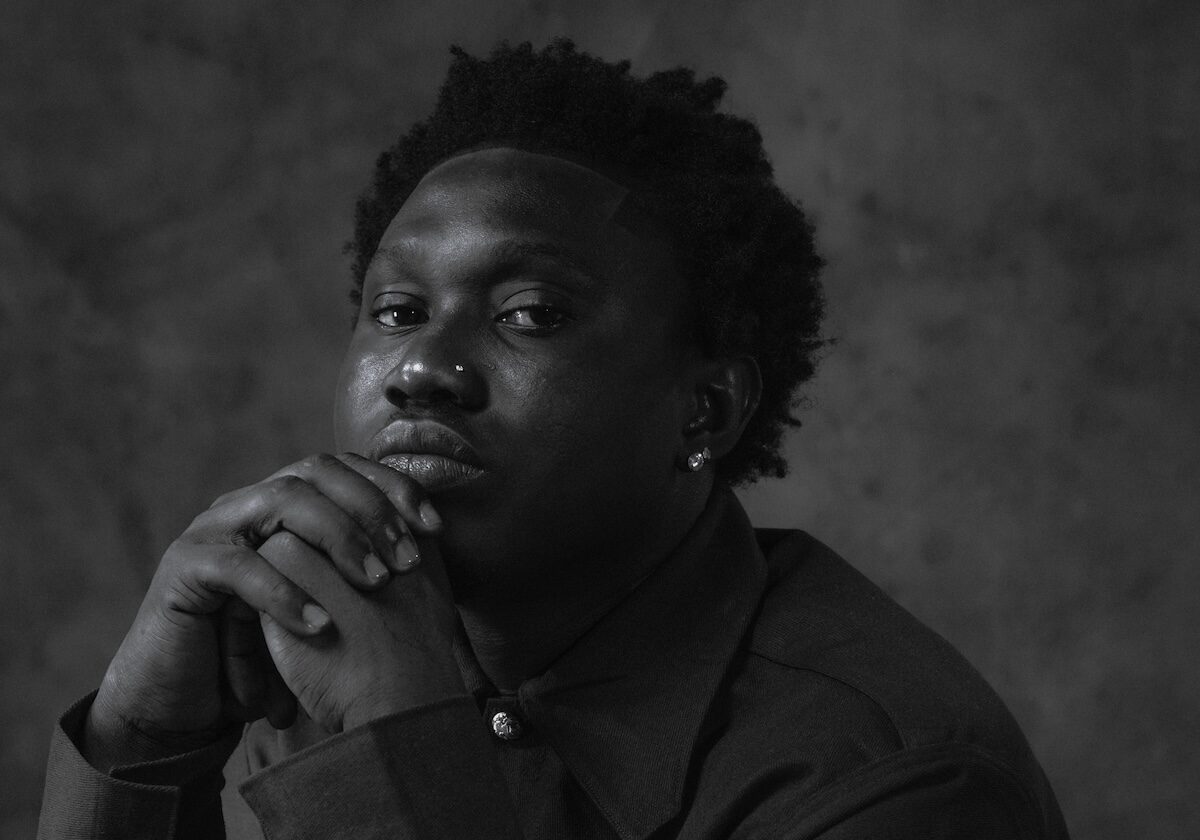
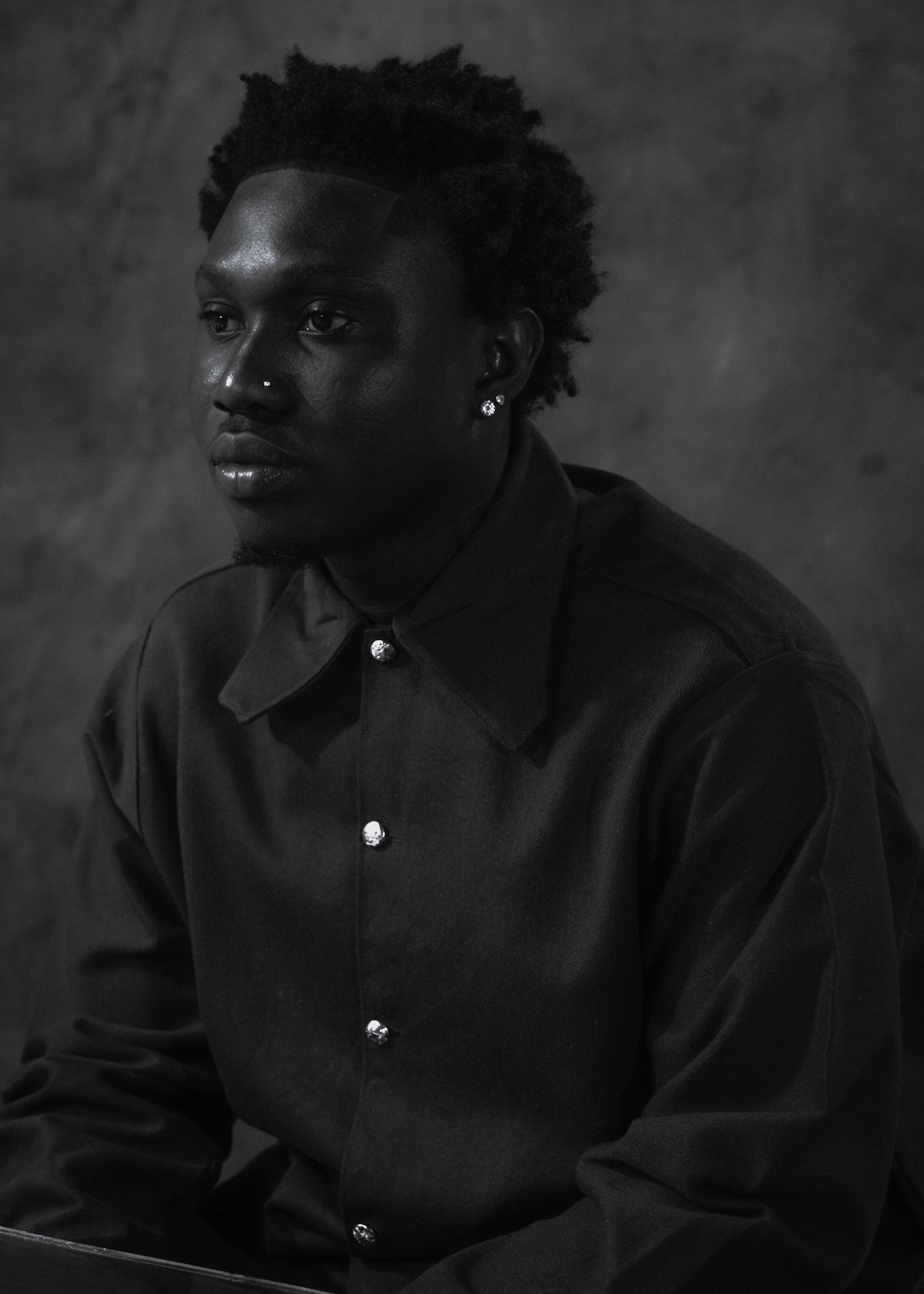
The Nigerian singer-rapper and fast-rising Afrobeats artist had never considered a career in music, though it was already a half-serious hobby by the time he was a first-year student at Moshood Abiola Polytechnic, two hours north of Lagos. He entered a campus talent contest as a lark at 19, and ended up winning with a charming mix of raps and freestyle dance.
The prize was a new red Kia. At the time, the teenager was struggling to buy three meals a day, let alone afford gasoline. He’d never driven a car before, but it opened up his world, and he was soon traveling from one recording studio to another.
“I said to myself, ‘Oh, it truly looks like God want me to actually go after my music dream,’” says the artist best known as Zlatan, in a call from Lagos. “That was how I started from 2013. After the car, it took me another three years to actually have a breakthrough song.”
That arrived in the form of 2017’s “My Body,” a street-hop single with the rapper Olamide, who was already a major star then, and an inspiration to Zlatan.
“In most of his songs he was singing them about how him and his parents used to all live in one room,” Zlatan adds of Olamide. “Imagine someone that lives in one room and now has an empire. That was my symbol that I needed, my hope.”
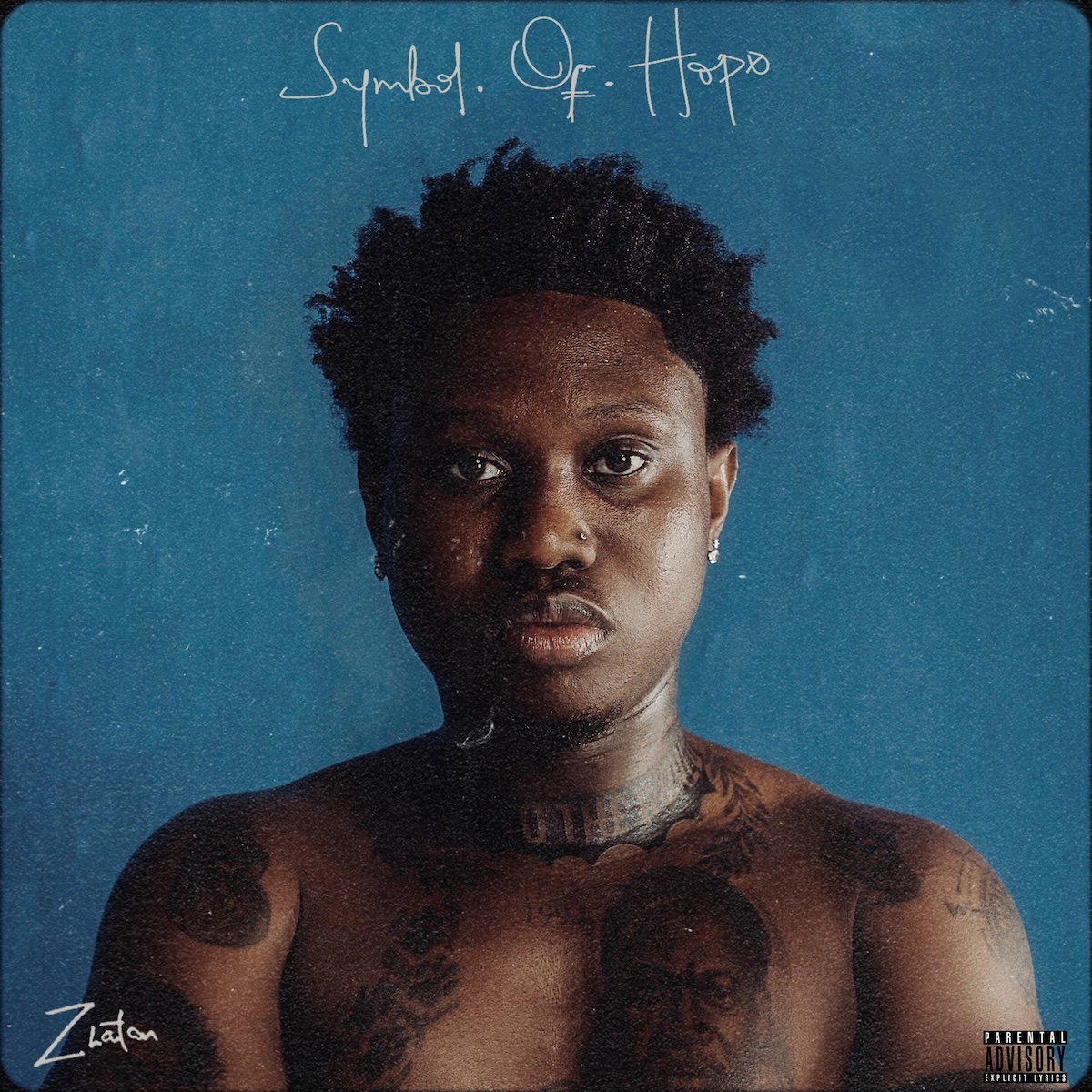
Zlatan says he now wants to provide the same inspiration to others with his new album, Symbol of Hope. The 15-song collection is a soulful mix of Nigerian street-hop and Afrobeats (not to be confused with Fela Kuti’s brassy Afrobeat style from the 1960s and 1970s). There are several featured vocalists, including Nigerian stars Olamide and Davido, and lyrics that aim to uplift the same community Zlatan knew growing up as a pastor’s son.
“I always don’t wanna forget my brothers that needs the motivation the way I was motivated,” Zlatan says. “I just don’t wanna sing about the ladies, the flash life. Sometimes I love reality-check songs, songs that put you in check. I don’t make music for myself alone. The lyrics that come out of my mouth, I make music for people.”
The new album title, Symbol of Hope, has been on Zlatan’s mind for years, first appearing as a lyric on “Omo Ologo,” the title song from a 2023 EP. While the album is just his third full-length studio recording, he’s been appearing on multiple singles and EPs for a full decade.
On the breezy opening track, “Pay Day,” Zlatan raps in an urgent flow of Nigerian Pidgin lyrics: “Remember when things been rough / So many things don sup … Hustle nonstop Monday to Sunday / I no be quitter, stop the rough play.”
On the tender “Demons,” performed with singer-songwriter Qing Madi, he explores self-doubt and life challenges that many listeners share—whether its troubles in romance, finances, or health—and Zlatan is no different.
“I’ll be fighting my demons. Don’t take my life as picture perfect,” he explains. “I said some really life personal stuff on the song. People were reaching out, saying, ‘Oh, thank you so much.’ Their spirit is lifted.”
The new album was recorded in studios around the world, from Lagos to New York, South Africa, and China. Collaborating with Chech Da Producer and others, Zlatan was also more directly engaged with creating the music, rather than focused only on his rapping and singing. “Music is my occupation,” he says. “I leave the house every morning, like I’m going to office to make songs. This album was just a selection from like 60 to 70 songs recorded.
“The vibe just comes depending on where you are. Anytime I’m around any city, I just look out for a studio that is nearby, and just run out for few hours and then go back to bed like 6 in the morning.”
After the record was released in fall 2025, he toured Europe late last year. He hopes to return to America in 2026, though nothing is yet scheduled. Wherever he goes, there are other Nigerians ready to greet him.
“I’m an indigenous rapper. I represent my culture,” he says. “Nigerians are everywhere. They’re in the diaspora—Nigerians in Canada, Nigerians in Asia, Nigerians everywhere. But Afrobeats is gone really global, for a lot of people from different places.”
Zlatan’s earliest forays into music-making occurred a few years before university, when a friend came home and played him a track he’d made. This friend had never before made music or expressed any interest, and Zlatan was intrigued.
“I was like, ‘Yo, if you can make music, that means any other person can make music, because I’ve never seen you making music before.’ I told him, the next time you’re going to the studio … I won’t mind going to the studio with you.”
“I started downloading beats and writing verses every day,” he recalls. “As soon as I made the first song with my friend that took me to the studio, everyone in the hood were like gassing me up. Like, ‘Oh, you are about to be our next superstar.’”
That led to his 2019 debut album, Zanku, with a title song that inspired Zlatan to create a hugely popular dance sensation of the same name. (Even Beyoncé performed the move in her 2020 music video for “Already.”). The word is an acronym lifted from the song’s lyrics: “Lamba ti poju/ Zlatan abeg no kill us.”
Dance moves have been a part of his performances since the beginning, but Zlatan says he’s overdue for some training. “I’m trying to go back for dance classes, because my fans be telling me that I don’t dance the way I used to dance some years ago,” he explains with a laugh. “Because I’ve got too much chicken in my tummy or too much chicken sauce.”
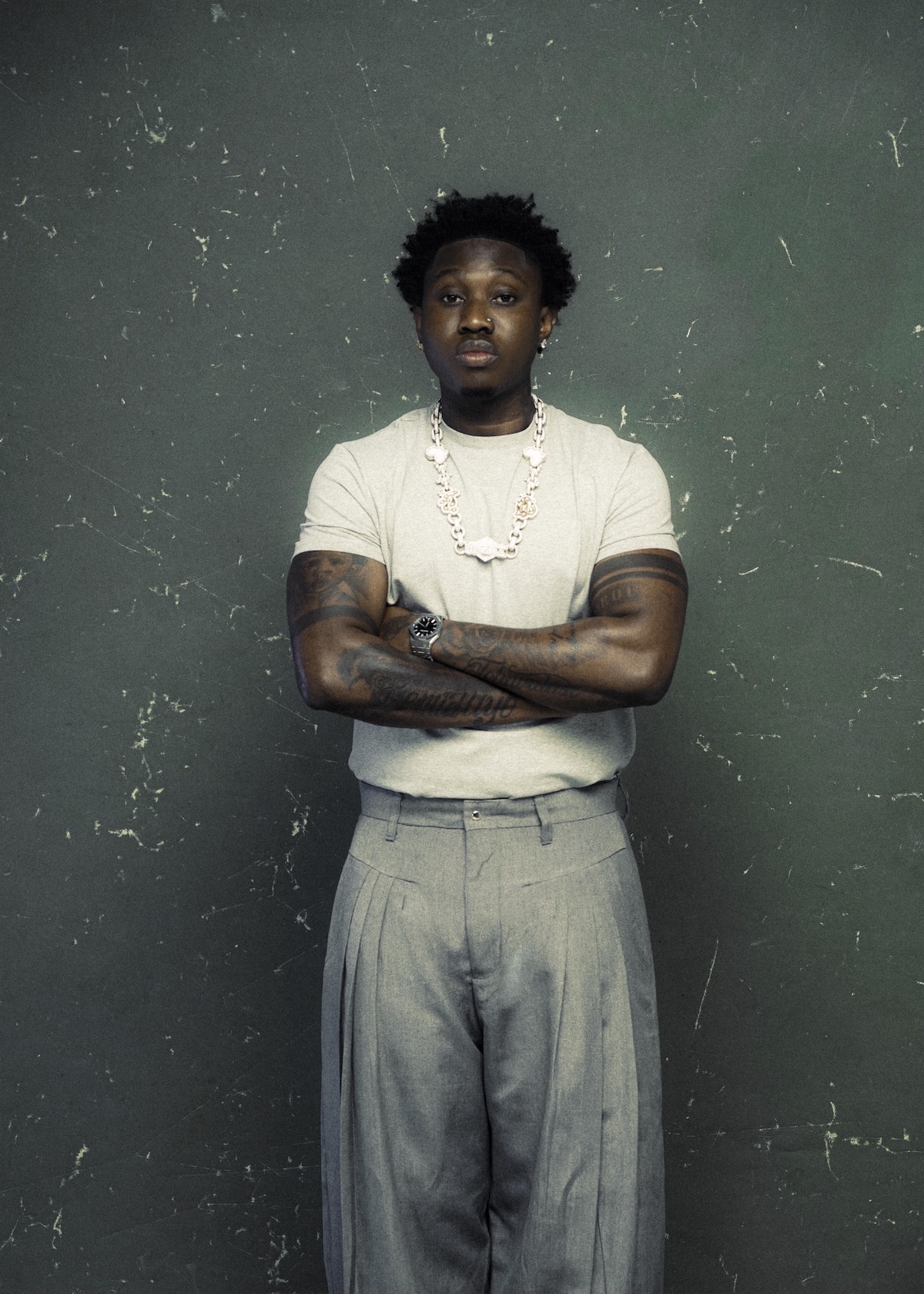
His successes haven’t been limited to music, after creating his Lagos-based fashion brand, ZTTW, in 2018. An acronym of Zanku To The World, ZTTW makes colorful streetwear that resides in the same universe as his music.
Growing up, Zlatan played drums and sang in the choir of his father’s church, but never thought anything of those skills. As a young fan watching on television, he was an admirer of the Nigerian artists Olamide, Wizkid, and Burna Boy, among others. After the contest, and the car, his unexpected career had begun.
“That was how music started for me,” Zlatan says. “I started off as a joke. I wasn’t taking it serious, but never knew God had a better plan for me.”
To see our running list of the top 100 greatest rock stars of all time, click here.