Man On The Run reviewed: inside Paul McCartney’s post-Fabs creative rebirth
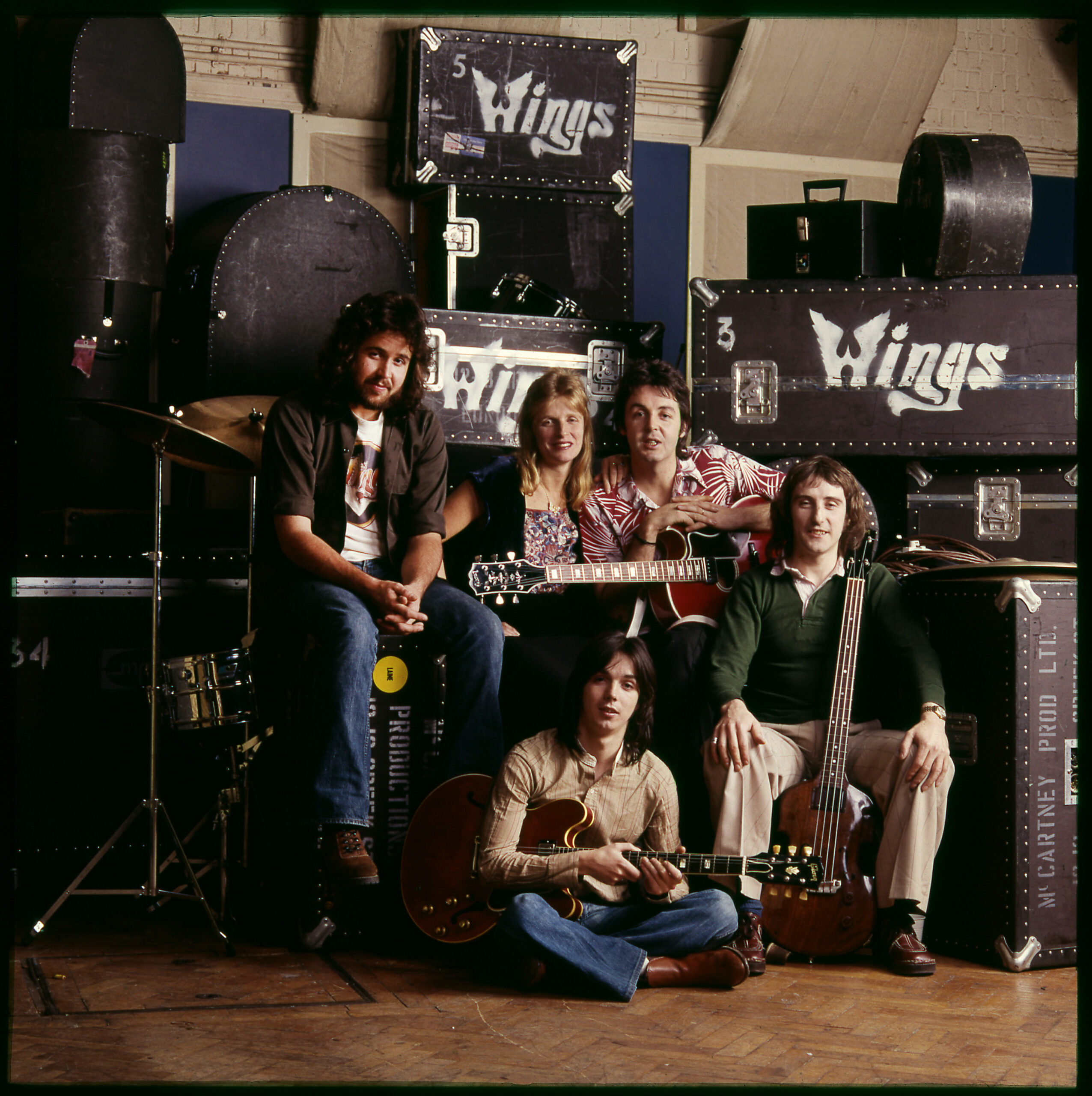
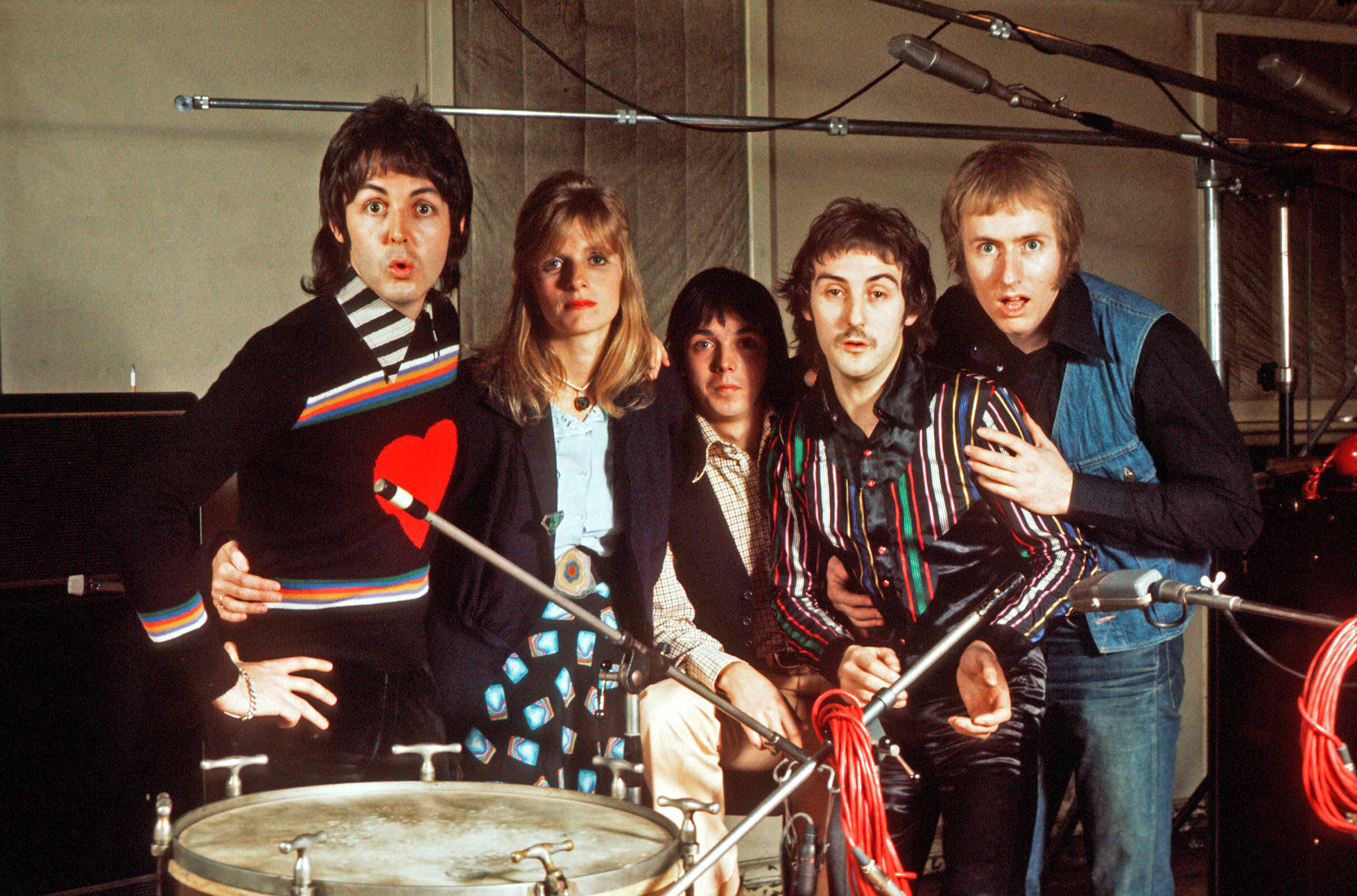
In a way, Paul McCartney’s 1970s — as detailed in Morgan Neville’s rich, expansive documentary — plays as a love story. There are legal battles, lo-fi experiments, pot busts, exotic locations, near-drownings, pipe bands, punks and prison — and plenty of extremely good music. But at its core, Man On The Run is about Paul and his remarkable unions, creative and personal, with John Lennon and Linda Eastman and his new band.
In a way, Paul McCartney’s 1970s — as detailed in Morgan Neville’s rich, expansive documentary — plays as a love story. There are legal battles, lo-fi experiments, pot busts, exotic locations, near-drownings, pipe bands, punks and prison — and plenty of extremely good music. But at its core, Man On The Run is about Paul and his remarkable unions, creative and personal, with John Lennon and Linda Eastman and his new band.
We open in 1969, with a shocked McCartney navigating both rumours of his own death and the fallout from Lennon’s (then still private) decision to leave The Beatles. He retreats to his farm on the Mull of Kintyre — in Gaelic, literally the “end of land” — with his new family, fixing the roof and raising sheep. “He wanted to be grounded in an ordinary life,” says Mick Jagger, one of the very few people who could understand McCartney’s position. “Because being in The Beatles was free of any kind of grounding whatsoever.”
For McCartney, “an ordinary life” meant several things. Both he and Linda had lost their mothers young — Paul at 14, Linda at 20 — and this shared understanding of loss bound them fiercely to their growing family. Later, they even raised their children on the tour bus. “I don’t remember nannies,” says Denny Seiwell. “They would pull out a drawer, put a pillow in it, and that’s where the baby slept.”
In an early archive interview, a journalist asks McCartney: “What’s the most important thing that you value?” The camera cuts to Linda. “Just personal peace,” McCartney replies. “Can you develop that a little more fully?” asks the journalist. “Not really.”
But Lennon is never far away — even in the abstract. Over footage of a chorus line hoofing through “Gotta Sing, Gotta Dance”, McCartney muses: “There’s never anyone around saying, ‘No, that’s a stupid idea. You shouldn’t do that.’” Much, you assume as Lennon might have done as the pair edited one another’s works and visa versa.
In more quantifiable terms, McCartney and Lennon’s solo records get constantly compared by pesky journalists. A montage culled from TV interviews finds McCartney repeatedly asked the same question: will The Beatles ever play together again? Eventually, he fake-lunges at an off-camera reporter, to much laughter from his Wings bandmates. Little wonder McCartney refused to play Beatles songs live until the mid-Seventies.
“People thought we were crazy”
McCartney’s determination not to repeat the past is brave — and rare — for an artist so deeply embedded in the public eye. “People thought we were crazy, but that was our way,” he admits. Not everything worked as intended. After the prominence of The Beatles, McCartney envisaged a more democratic environment for his new band. “He wants you all to be normal and equal,” says former Wings drummer Geoff Britton. “But you ain’t normal and equal, because he’s a world superstar and you’re a dog-faced nobody.”
As you’d expect with a fully authorised work like this, Neville has full access to both the story’s key players and a wealth of exceptional audio and visual material from McCartney’s archives. It’s very much an honest and open depiction of the period – as great as the many peaks are, Neville does not airbrush out the flops. Or as Nick Lowe puts it: “‘Mary Had a Little fucking Lamb’. Are you nuts?”
The decade ends with Lennon’s assassination and the break-up of Wings. But even after such heavy blows, McCartney’s perseverance had paid off. He <i>had<i> done things differently — and, crucially, on his own terms.
“I doubted whether it was possible to follow The Beatles,” he says. “But looking back on it, we made what seemed like an impossible dream come true. That was the magic of it.”